
007 Spectre long take (2015)
Titre du film : Spectre (24e film officiel de la franchise James Bond)
Année : 2015
Réalisateur : Sam Mendes (4e et dernière collaboration avec Daniel Craig dans le rôle de Bond)
Producteurs : Barbara Broccoli et Michael G. Wilson (EON Productions)
Scénaristes : John Logan, Neal Purvis, Robert Wade et Jez Butterworth (d'après les personnages de Ian Fleming)
Pays : Royaume-Uni / États-Unis
Chef opérateur (DP, director of photography) : Hoyte van Hoytema (ASC, FSF, NSC) Dutch-Suédois, futur DP attitré de Christopher Nolan sur Dunkirk, Tenet, Oppenheimer
Opérateur caméra principal : Lukasz Bielan (caméra A)
Opérateur Steadicam (caméra stabilisée par harnais articulé) : Julian Morson utilisé "avec parcimonie" selon Van Hoytema, parce que ce n'était pas la grammaire du film, sauf justement dans cette séquence d'ouverture
Chef décorateur : Dennis Gassner (sa 2e collaboration avec Mendes après Skyfall, ils retrouveront ensemble en 2019 sur 1917)
Format de prise de vue : pellicule 35 mm Kodak (choix volontaire contre le numérique de Skyfall, voir "Le saviez-vous")
Caméra du plan d'ouverture : Panavision Panaflex Millennium XL2 sur Technocrane
Optiques : Panavision Primo 70 et Zeiss Master Prime
VFX (visual effects, effets visuels) : Industrial Light & Magic (ILM), superviseur Steve Begg
Logiciels de raccord : Maya et Zeno (le logiciel maison d'ILM, pour la reprojection 3D)
Compositeur : Thomas Newman (4e collaboration avec Mendes après American Beauty, Road to Perdition, Skyfall)
Monteur : Lee Smith (sur Avid)
Étalonneur (DI, digital intermediate) : Greg Fisher, sur DaVinci Resolve en 4K
Durée du plan : environ 4 minutes (illusion de plan continu, 6 prises assemblées en post)
Lieux de tournage : Calle de Tacuba (une des plus anciennes rues des Amériques), Gran Hotel Ciudad de México, Zócalo (Mexico City) décor intérieur de la chambre construit à Pinewood Studios (Londres)
Date de la première prise : 14h08, 20 mars 2015
Figurants : 1 500
Appel maquillage : 4h15 du matin
Sources principales : American Cinematographer (novembre 2015), British Cinematographer, The Hollywood Reporter, IndieWire, jamesbond007.se (récit de figurant)
Un crâne. Puis un masque de squelette. Puis la foule. La caméra survole une parade du Jour des morts à Mexico, des milliers de figurants en costumes blanc et noir, des marionnettes géantes de 4 mètres, des musiciens, de l'encens. Elle descend, se faufile dans la foule, et trouve un homme en costume noir. James Bond (Daniel Craig) marche au bras d'Estrella (Stephanie Sigman), masqué comme tout le monde. Il entre dans un hôtel. Traverse le lobby au plafond vitrail Tiffany. Prend l'ascenseur. Monte dans une chambre. Embrasse la fille. Puis sort par la fenêtre, grimpe sur le toit, et pose le viseur de son fusil sur un homme dans l'immeuble d'en face. Quatre minutes. Zéro coupe visible. Et vous venez de passer de la fête à la mort sans vous en rendre compte.
Pourquoi cette scène est culte
Mendes a expliqué son intention à American Cinematographer en termes très simples : "Je voulais nous mettre dans les chaussures de Bond. Le plan unique dit au public : 'Ça se passe en temps réel. C'est Bond, tu vas voyager avec lui; c'est ton trajet à travers cette portion du film, alors installe-toi. Regarde et concentre-toi, on ne te laisse pas filer, vois jusqu'où tu peux aller avec nous. Quand tu arriveras à la fin du plan, tu seras dedans.'" C'est moins de la virtuosité que du contrat moral avec le spectateur.
La parade du Jour des morts est exactement le bain sensoriel idéal pour cet exercice : couleurs, bruit, mouvement, masques partout, la mort célébrée plutôt que redoutée. Le plan continu vous y plonge sans transition. Pas de plan d'établissement, pas de carton "Mexico City", pas de briefing au MI6. Vous êtes dans la rue. Et le mouvement de la caméra, de l'extérieur vers l'intérieur, du public vers l'intime, de la fête vers le meurtre, est le mouvement de Bond lui-même : passer du masque souriant au tueur froid, en un geste fluide.
Le plan inverse aussi la grammaire habituelle du blockbuster d'action. Van Hoytema l'a posé directement : "Les plans d'ouverture classiques commencent grand et se resserrent. Nous, on voulait faire l'inverse : commencer intime et soudain ouvrir sur une échelle encore plus grande en sortant sur le toit." L'inversion est exactement ce qui rend la séquence mémorable. À la fin du plan, vous êtes plus haut, plus exposé, et techniquement assassin. Vous êtes devenu Bond sans coupe.
Comment ils l'ont tournée
Le plan continu est une illusion. 6 prises séparées, tournées dans 3 lieux différents (deux dans Mexico City, un à Pinewood Studios), assemblées par ILM avec des coupes cachées (wipes) dans les transitions et un travail de reprojection 3D.
Décision-clé en amont : la pellicule. Skyfall avait été tourné en numérique avec Roger Deakins et les Arri Alexa. Pour Spectre, Van Hoytema a imposé un retour au film 35 mm. Sa justification à British Cinematographer : "J'adore la pellicule. Elle a exactement le genre de qualité romantique, de texture et d'aura que je voulais réinjecter dans Bond. Le numérique manque de profondeur et son apparence nette, quadrillée et dure est souvent prise par erreur pour de la résolution." Sam Mendes l'a soutenu. Les producteurs Broccoli et Wilson ont validé après une série de tests comparatifs. C'est la seule décision esthétique qui distingue le plus le grain de l'image de Spectre de celui de Skyfall, et elle est visible dès la première seconde de la parade.
La parade. Tournée sur la Calle de Tacuba, l'une des plus anciennes rues des Amériques, avec une Technocrane (grue à bras télescopique permettant des mouvements de caméra en hauteur et en plongée). Une Panavision Millennium XL2 montée en tête de grue. La caméra commence à plusieurs mètres au-dessus de la rue, puis plonge dans la foule et zoome pour se résoudre à hauteur d'épaule de Bond et Estrella. 1 500 figurants ont été convoqués avec un appel maquillage à 4h15 du matin. La coiffeuse Zoe Tahir a fabriqué des perruques en laine pour donner aux danseurs un rendu de poupées articulées intemporelles. Dennis Gassner, le chef décorateur, a travaillé avec des consultants mexicains pour ancrer la parade dans une esthétique crédible.
L'entrée dans l'hôtel. Première coupe invisible. Bond et Estrella franchissent la porte d'un hôtel qui se trouve en fait dans un autre quartier de Mexico City. ILM a reconstruit cette porte en 3D et utilisé de la reprojection (projection d'une texture sur un modèle 3D pour simuler un raccord parfait) dans Maya et Zeno. Le lobby est celui du Gran Hotel Ciudad de México, un bâtiment historique de l'ère Zapata avec son plafond en vitrail Tiffany.
Le lobby et l'ascenseur. Le Steadicam de Julian Morson prend le relais. Morson est utilisé "avec parcimonie" sur Spectre, comme le rappelle Van Hoytema, la grammaire générale du film privilégie une caméra plus posée, sauf justement dans cette séquence d'ouverture où la fluidité Steadicam est essentielle. Morson suit Bond et Estrella à travers le lobby, dans l'ascenseur (tourné en une vraie prise continue), puis dans le couloir, où une autre coupe est masquée par des figurants qui traversent le cadre. ILM a synchronisé les mouvements de Craig et Sigman avec ceux des figurants pour que la dynamique soit identique entre les deux plans.
La chambre et le toit. Le décor de la chambre d'hôtel a été construit à Pinewood Studios, à Londres. Le balcon a été tourné au Mexique, mais avec un repositionnement et un re-timing significatifs en post. Le point de vue depuis la fenêtre est une plaque photographique (matte painting photographique) de Mexico, compositée numériquement. Quand Bond sort par la fenêtre et marche sur les toits, une seconde Technocrane le suit sur un échafaudage géant de trois étages, aussi long qu'un pâté de maisons, construit spécifiquement pour accueillir le rail de la grue. Van Hoytema à The Hollywood Reporter : "Il y avait un échafaudage géant de la longueur du pâté de maisons et de trois étages de haut pour accueillir le rail de la Technocrane."
Position de principe sur le CGI. Van Hoytema insiste : il n'y a aucun plan entièrement en CGI (computer-generated imagery, image de synthèse) dans la séquence. Chaque image contient de la prise de vue réelle. Les effets visuels servent à coller les plans entre eux, nettoyer les arrière-plans et étendre les foules, pas à remplacer la réalité. C'est exactement la doctrine que Cuarón et Lubezki avaient appliquée 9 ans plus tôt sur Les Fils de l'homme : assemblage numérique, oui, fabrication numérique, non.
Le tournage à Mexico a duré près de trois semaines. La première prise a été enregistrée à 14h08 le 20 mars 2015. Les figurants ont répété les mêmes actions toute la journée sous le soleil. Le récit d'un figurant suédois présent décrit 20 à 30 prises pour la séquence du lobby, chaque figurant assigné à une position et un timing précis. Mendes a confié à American Cinematographer : "Les gens sont restés dans les rues jusqu'à cinq heures de l'après-midi à faire la même chose encore et encore. Je pensais qu'ils allaient se mutiner. En fait, ils devenaient de plus en plus enthousiastes."
La séquence de l'hélicoptère qui suit le plan-séquence, avec un vrai hélicoptère piloté par Chuck Aaron au-dessus du Zócalo à quelques mètres de la foule réelle, est un autre morceau de bravoure du pré-générique, mais c'est un montage classique, pas un plan continu.
Ce qu'il faut observer en la revoyant
L'entrée dans l'hôtel (~1:30) C'est la coupe la plus ambitieuse de la séquence. La porte que Bond franchit a été reconstruite en 3D par ILM. Cherchez un micro-changement de luminosité ou de texture entre l'extérieur et le lobby. Si vous le trouvez, vous êtes meilleur que la plupart des spectateurs et des critiques.
Le plafond en vitrail du Gran Hotel (~2:00) Le lobby du Gran Hotel Ciudad de México est reconnaissable à son plafond Tiffany Art nouveau. C'est aussi le lieu où certaines scènes de Permis de tuer (1989) avaient été tournées, 26 ans plus tôt. Bond revient là où Bond était déjà passé.
La sortie sur le toit (~3:30) Regardez l'échelle du plan s'inverser. Vous étiez en intérieur, en gros plan, dans l'intimité d'une chambre d'hôtel. En une seconde, vous êtes sur les toits de Mexico City avec toute la ville devant vous. Van Hoytema a conçu cette inversion comme le coup de théâtre visuel de la séquence et c'est aussi le moment où la deuxième Technocrane prend le relais sur son échafaudage géant.
Le saviez-vous ?
Le film qui a inventé une vraie tradition La parade du Jour des morts telle qu'elle apparaît dans le film n'existait pas à Mexico City avant Spectre. Il y avait des célébrations locales et privées, mais aucun défilé public de cette ampleur dans le centre historique. Après la sortie du film, les touristes ont afflué en cherchant "la parade de James Bond". Le gouvernement mexicain a décidé en 2016 de créer une vraie parade annuelle, inspirée de celle du film. C'est un des rares cas dans l'histoire du cinéma où un blockbuster invente une tradition culturelle qui devient ensuite réelle.
L'influence de Vivre et laisser mourir (1973) Sam Mendes et Daniel Craig ont tous deux cité Live and Let Die, le premier Bond de Roger Moore, comme inspiration pour l'ambiance vaudou et macabre de l'ouverture. La référence est plus visible dans les masques et la marionnetterie funéraire que dans le rythme.
Le pari du film Van Hoytema a imposé le retour à la pellicule 35 mm après le Skyfall numérique de Deakins. Sa justification publiée : la pellicule a une "qualité romantique" que le numérique ne sait pas reproduire. Le grain visible dans la parade du Jour des morts en est la preuve la plus immédiate. C'est aussi l'une des dernières grosses productions hollywoodiennes à tourner majoritairement en argentique avant la bascule définitive vers le numérique.
Le duo Mendes / Gassner C'est la deuxième collaboration Mendes / Gassner après Skyfall. Gassner retrouvera Mendes sur 1917 en 2019, où les maquettes en bois qu'il construit pour planifier les plans-séquences sont directement héritées du travail préparatoire de Spectre. La méthode est la même : maquette physique au 1/24, parcours de caméra dessiné au feutre dessus, mise au point chorégraphique avant le tournage.
Barbara Broccoli, gardienne du record La productrice Barbara Broccoli a qualifié la séquence de "l'une des plus grandes pré-génériques que nous ayons jamais réalisées" dans la franchise. Avec ses 7 minutes au total (le plan-séquence + la poursuite en hélicoptère), c'est l'un des plus longs pré-génériques de toute l'histoire des films Bond.
Hoyte van Hoytema, futur DP de Nolan Spectre est l'un des moments où la carrière de Van Hoytema bascule définitivement vers le haut de la pyramide hollywoodienne. Christopher Nolan le recrutera ensuite pour Dunkerque (2017), Tenet (2020) et Oppenheimer (2023). L'expertise du plan-séquence acquise sur Spectre se retrouve directement dans plusieurs séquences de Tenet notamment l'opéra de Kiev et l'autoroute.
Sources
Sam Mendes, interview American Cinematographer (novembre 2015, par Benjamin B)
Hoyte van Hoytema, interview British Cinematographer
Hoyte van Hoytema, interview The Hollywood Reporter (7 novembre 2015) - "How 'Spectre's' Opening Scene Pulled Off the 'Birdman' Effect"
IndieWire - "How They Pulled Off the Spectre of Death Opening in Mexico City" (novembre 2015)
American Cinematographer - "Sinister Sect: Spectre" (novembre 2015)
007.com - "Focus of the Week: Spectre's Day of the Dead scene" (2020)
jamesbond007.se - "The SPECTRE Day of the Dead filming in Mexico City" (récit d'un figurant suédois, 2016)
Yahoo UK Movies - "How That Amazing Opening Spectre Scene Isn't All It Seems" (2015)
Roman's Lab - "Deconstructing Spectre" (analyse géographique des lieux, 2024)
IMDb - Spectre FAQ
ShotOnWhat - Spectre (2015), spécifications techniques
A lire aussi
Plan-séquence 1917 (2019) - La même équipe (Mendes + Gassner) reprend la méthode de Spectre et la pousse à l'échelle d'un film entier. Les maquettes en bois utilisées pour planifier les plans-séquences de 1917 sont directement héritées du travail préparatoire de Spectre.
Plan-séquence Les Fils de l'homme - l'embuscade en voiture (2006) - Cuarón et Lubezki posent en 2006 la doctrine "assemblage numérique oui, fabrication numérique non" que Van Hoytema reprend à la lettre pour la parade du Jour des morts.
Plan-séquence Birdman (2014) - L'autre référence obligée des "faux plans-séquences" de l'année 2014-2015. Iñárritu et Lubezki ont prouvé qu'on pouvait tenir 2h en assemblage invisible ; Mendes en tire la leçon pour son pré-générique l'année suivante.
Vrais vs faux plans-séquences - le guide complet - Comment 6 prises tournées dans 3 lieux deviennent 4 minutes d'illusion continue : la mécanique du raccord ILM expliquée pas à pas.
Voir le film & aller plus loin
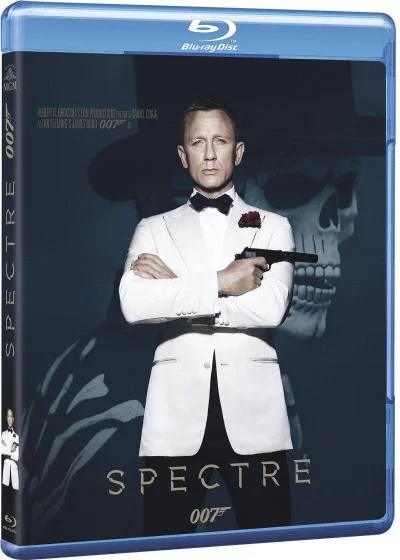
Regarder le film :
Lecture recommandée :
- Effets spéciaux : un siècle d'histoires - Pascal Pinteau
La référence française sur l'histoire des effets spéciaux au cinéma, truffée de témoignages de techniciens sur ce type précis de trucage (transitions masquées, reprojection, plans assemblés) exactement le sujet de cette fiche.
Les liens vers Amazon sont des liens affiliés : votre achat soutient plan-sequences.com sans surcoût pour vous.
