
long take from Goodfellas (1990): the entrance to the Copacabana
Titre du film : Les Affranchis (Goodfellas)
Année : 1990 (Venise IFF 9 septembre - Lion d'argent du meilleur réalisateur / sortie US 19 septembre)
Réalisateur / Co-scénariste : Martin Scorsese
Co-scénariste : Nicholas Pileggi (auteur du livre source Wiseguy, 1986)
Pays : États-Unis
Producteur : Irwin Winkler
Chef opérateur : Michael Ballhaus (ASC)
Opérateur Steadicam : Larry McConkey
Premier assistant réalisateur : Joseph Reidy
Monteuse : Thelma Schoonmaker (BAFTA du meilleur montage pour ce film)
Acteurs principaux du plan : Ray Liotta (Henry Hill), Lorraine Bracco (Karen Friedman), Henny Youngman (lui-même)
Caméra : Arriflex 35 BL4S (suffisamment silencieuse pour le dialogue de fin)
Optiques : Zeiss Super Speed (indispensables dans la pénombre du club)
Astuce technique : moniteur vidéo fixé au-dessus du Steadicam pour que McConkey puisse cadrer en marchant à reculons, innovation pour 1990
Durée du plan : 2 min 59 sec (184 secondes)
Nombre de prises : 8 - bouclé avant le déjeuner
Musique : "Then He Kissed Me" The Crystals (1963)
Source littéraire : Wiseguy de Nicholas Pileggi (1986), 40 mots décrivant l'entrée par la cuisine
Durée du film : 146 minutes
Budget : 25 millions de dollars (le plus gros budget de Scorsese à l'époque)
Box-office : 47,1 millions de dollars
Oscars : 6 nominations (meilleur film, réalisateur, scénario adapté, montage, second rôle féminin, second rôle masculin), 1 victoire (Joe Pesci)
Henry Hill (Ray Liotta) sort de sa voiture, glisse un billet au voiturier, prend Karen (Lorraine Bracco) par la main et l'entraîne. Pas par l'entrée principale du Copacabana. Par la porte de derrière, l'escalier de service, un long couloir souterrain, la cuisine remplie de cuisiniers chinois, et tout droit vers la salle de spectacle où une table apparaît de nulle part, posée devant la scène juste pour eux. Henny Youngman est sur scène. Des inconnus envoient du champagne. Karen demande à Henry ce qu'il fait dans la vie. Trois minutes. Zéro coupe. Et vous venez de comprendre ce que ça fait d'être un mafieux.
Pourquoi cette scène est culte
Tout le film est dans ce plan. Pas l'intrigue, la sensation. Scorsese ne vous explique pas le pouvoir de Henry Hill, il vous le fait vivre. Les portes s'ouvrent avant qu'il arrive. Les gens l'appellent par son prénom. La file d'attente n'existe pas. Vous êtes derrière lui, collé à son épaule, et vous ressentez exactement ce que Karen ressent : le vertige d'être avec quelqu'un pour qui les règles ne s'appliquent pas.
Le plan ne coupe pas parce que l'expérience ne coupe pas. L'ivresse du pouvoir est un flux continu, sans pause, sans répit, sans moment pour réfléchir. Si Scorsese avait monté la scène classiquement, un gros plan sur le billet, un gros plan sur le visage de Karen, un gros plan sur la table, vous auriez eu le temps de prendre du recul. Là, vous êtes piégé dans le charme. La séduction de Karen et la séduction du spectateur sont la même opération.
La fonction narrative est triple. Premièrement, ce plan scelle le couple Henry-Karen : c'est le rendez-vous qui décide tout. Deuxièmement, il établit le statut de Henry sans une seule ligne d'exposition, pas besoin de dialogues sur sa place dans la mafia, vous voyez le réseau en action. Troisièmement, il place le décor de la chute à venir : tout ce qui s'ouvre ici se refermera plus tard. Le film entier est l'histoire de la fermeture progressive de toutes ces portes. Mais à cet instant précis, elles s'ouvrent toutes en même temps. C'est pour ça que la scène vous reste : vous savez confusément qu'elle ne peut pas durer.
How They Filmed It
Le plan n'était pas prévu comme ça. Le Copacabana a refusé que l'équipe filme l'entrée principale. Scorsese a dû improviser un parcours alternatif, l'entrée de service, les couloirs, la cuisine. Ce qui devait être une contrainte est devenu le plan le plus célèbre de sa carrière.
McConkey raconte la première répétition à Filmmaker Magazine. Scorsese voulait un gros plan sur le billet donné au voiturier, puis la caméra suivait Henry et Karen. Ils traversent la rue, descendent un escalier, prennent un long couloir. McConkey regarde sa montre et pense : "C'est déjà le pire temps mort de l'histoire du cinéma. Ça ne marchera jamais." Quand ils arrivent aux cuisines, Ballhaus dit : "Marty, il faut passer par la cuisine." Scorsese demande pourquoi. Ballhaus répond : "Parce que la lumière est magnifique." Scorsese dit OK. Ils entrent dans la cuisine et en ressortent par la même porte, le parcours fait un cercle, masqué par un changement de figurants et de décor.
Scorsese montre le résultat de la répétition à McConkey, puis annonce : "OK, je reviens dans deux heures." Il part. McConkey est en panique. Ray Liotta voit sa tête et lui propose de rester pour peaufiner le blocking. Liotta et le premier assistant Joe Reidy restent, et ils retravaillent le plan pendant que Scorsese est absent. C'est pendant cette session que Liotta improvise plusieurs des interactions dans le couloir, les poignées de main, les saluts, les petits mots aux figurants qui donnent au plan sa texture vivante.
Quand Scorsese revient et voit le résultat sur le moniteur, il crie : "Non ! Non ! Non !" McConkey croit que sa carrière est terminée. Mais Scorsese ne critique qu'un seul détail : la table qui arrive pour Henry et Karen à la fin du plan. "Elle doit voler vers la caméra et remplir le cadre. Quand j'étais gamin, j'allais dans des clubs comme ça et la chose dont je me souviens le plus, c'est comment une table apparaissait de nulle part." C'était sa seule note.
Ils tournent le soir même. Huit prises et c'est dans la boîte avant le déjeuner. McConkey portait un Arriflex 35 BL4S, suffisamment silencieuse pour capter le dialogue de fin, équipée d'optiques Zeiss Super Speed indispensables dans l'obscurité du club. Un petit moniteur vidéo était fixé au-dessus du Steadicam pour qu'il puisse contrôler son cadrage en marchant à reculons, une bricole technique inhabituelle pour 1990. Joe Reidy a résumé l'affaire : "Il y avait 400 moments de synchronisation absolument précis. C'était totalement impossible, mathématiquement."
La bande-son "Then He Kissed Me" des Crystals a été choisie par Scorsese et couvre presque tout le plan. Le seul vrai dialogue n'arrive qu'à la toute fin, quand Karen demande à Henry ce qu'il fait dans la vie. Le producteur Irwin Winkler raconte dans son livre que six ou sept prises étaient presque parfaites mais qu'à chaque fois, un détail mécanique ou dramatique clochait. Sur une prise techniquement impeccable, c'est Henny Youngman qui a raté sa réplique culte "Take my wife, please" un punchline qu'il avait pourtant prononcé des milliers de fois en quarante ans de scène. Cinq prises supplémentaires ont été nécessaires. Quand Youngman a enfin réussi, l'équipe a applaudi le comique.
Ce qu'il faut observer en la revoyant
Le billet au voiturier (première seconde) La toute première image du plan est un gros plan sur les doigts de Liotta glissant un billet. L'argent ouvre littéralement la scène et tout ce qui suit. Pas un mot. Juste un geste.
Le passage dans la cuisine (~1 min 30) Henry et Karen entrent et sortent par la même porte. Les figurants et les accessoires changent pendant qu'ils font le tour pour masquer la boucle. Cherchez les piles de caisses en plastique qui apparaissent contre le mur nu par lequel ils étaient entrés, c'est la trace visible du tour de passe-passe.
L'improvisation de Liotta dans le couloir (~2 min) Les poignées de main, les saluts, les "Henry !" lancés par les figurants : la plupart ne sont pas scénarisés. Ils datent de la séance de répétition que Liotta a faite avec Reidy pendant que Scorsese était parti. Vous regardez un acteur qui chorégraphie son propre statut social en direct.
La table qui vole (~2 min 30) Regardez la vitesse à laquelle la table et les chaises arrivent devant la scène. C'est le seul détail que Scorsese a exigé de modifier après la répétition. Il voulait que la table remplisse le cadre comme dans son souvenir d'enfance des clubs de Manhattan.
Le saviez-vous ?
Larry McConkey a filmé les deux plans-séquences les plus célèbres de 1990 : celui-ci et l'ouverture du Bûcher des vanités de Brian De Palma, sortie la même année, avec le même Steadicam. Deux trajets de coulisses, deux entrées par la porte de service, deux visions du pouvoir, Scorsese vous met dedans, De Palma vous montre l'envers du décor. McConkey a tourné les deux à six mois d'intervalle.
Le Copa Shot est né d'une phrase de quarante mots dans le livre Wiseguy de Nicholas Pileggi : les portiers laissaient Henry Hill entrer par la cuisine pleine de cuisiniers chinois, et l'installaient directement à sa table. Scorsese a transformé cette phrase en trois minutes de cinéma. Et cette mécanique, un long plan pour faire entrer un personnage dans son monde, a infusé tout ce qui a suivi : l'ouverture de Boogie Nights (Paul Thomas Anderson, 1997, Steadicam dans la boîte de nuit du porno), Birdman (Iñárritu/Lubezki, 2014, faux plan unique en coulisses de Broadway), l'ouverture de The Place Beyond the Pines (Cianfrance, 2012, traversée de la fête foraine). Anderson, Iñárritu et Cianfrance ont tous trois cité Les Affranchis comme matrice.
Un chauffeur de taxi a reconnu McConkey quelques années plus tard et lui a dit : "Steadicam, ouais, comme dans Les Affranchis, le Copacabana." McConkey a raconté que c'est ce jour-là qu'il a compris que le public, même sans connaître la technique, ressentait la puissance narrative d'un plan continu. Et il y a un dernier détail : le sixième épisode de la saison 17 des Griffin (2018) recopie le plan presque image par image, Chris entre dans sa nouvelle école, salué par tout le personnel, table dressée devant lui, avec la même musique des Crystals. Quand un cartoon parodique de Fox réutilise votre plan vingt-huit ans après, vous avez fabriqué quelque chose d'inattaquable.
Sources
Larry McConkey, interview Filmmaker Magazine - "Steadicam Operator Larry McConkey on Filming the Goodfellas Copacabana Tracking Shot" (avril 2015)
Irwin Winkler, A Life in Movies: Stories from 50 years in Hollywood (Abrams Press, 2019)
Glenn Kenny, Made Men: The Story of Goodfellas (Hanover Square Press, 2020)
Cinephilia & Beyond - "Goodfellas at 35: Martin Scorsese's Anthropological Masterpiece"
No Film School - "How Was the Copa Long Take in Goodfellas Shot? Let the Steadicam Op Explain"
The Mob Museum - "Mob classic Goodfellas debuted in theaters twenty-five years ago" (2015)
MovieMaker - "How the Goodfellas Three-Minute Tracking Shot Got Messed Up in the Silliest Way" (2023)
The Spool - "The Copa Shot: Martin Scorsese's Best Short Film"
GQ - Interview de Joseph Reidy
Far Out Magazine - "The seminal Steadicam of Martin Scorsese's Goodfellas" (2024)
IMDb - Goodfellas (1990), Awards section
Wikipedia - Goodfellas / Thelma Schoonmaker
À lire aussi :
Plan séquence Boogie Nights (1997) https://www.plan-sequences.com/categories-de-plans-sequences/boogie-nights-plan-sequence-1 - Un autre plan d'ouverture mythique signé Paul Thomas Anderson, même énergie de séduction totale
Vrais vs Faux plans séquences - le guide complet https://www.plan-sequences.com/blog-plan-sequences/vrais-vs-faux-plans-sequences-guide-complet - Pour comprendre pourquoi le Copa Shot est un vrai plan-séquence sans coupure cachée
Voir le film & aller plus loin
Regarder le film :
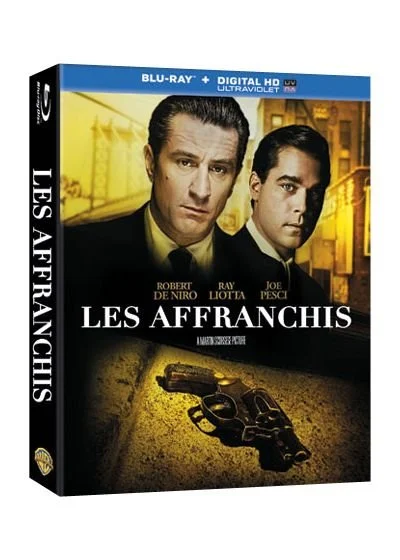
- Les Affranchis — Édition 25ème anniversaire, Digibook + Copie digitale (Amazon)
Lecture recommandée :
- Les Affranchis : la vie quotidienne dans la mafia — Nicholas Pileggi
Le livre-source du film, écrit par le journaliste qui a recueilli les confessions d'Henry Hill - l'histoire vraie derrière le scénario de Scorsese.
Les liens vers Amazon sont des liens affiliés : votre achat soutient plan-sequences.com sans surcoût pour vous.
